






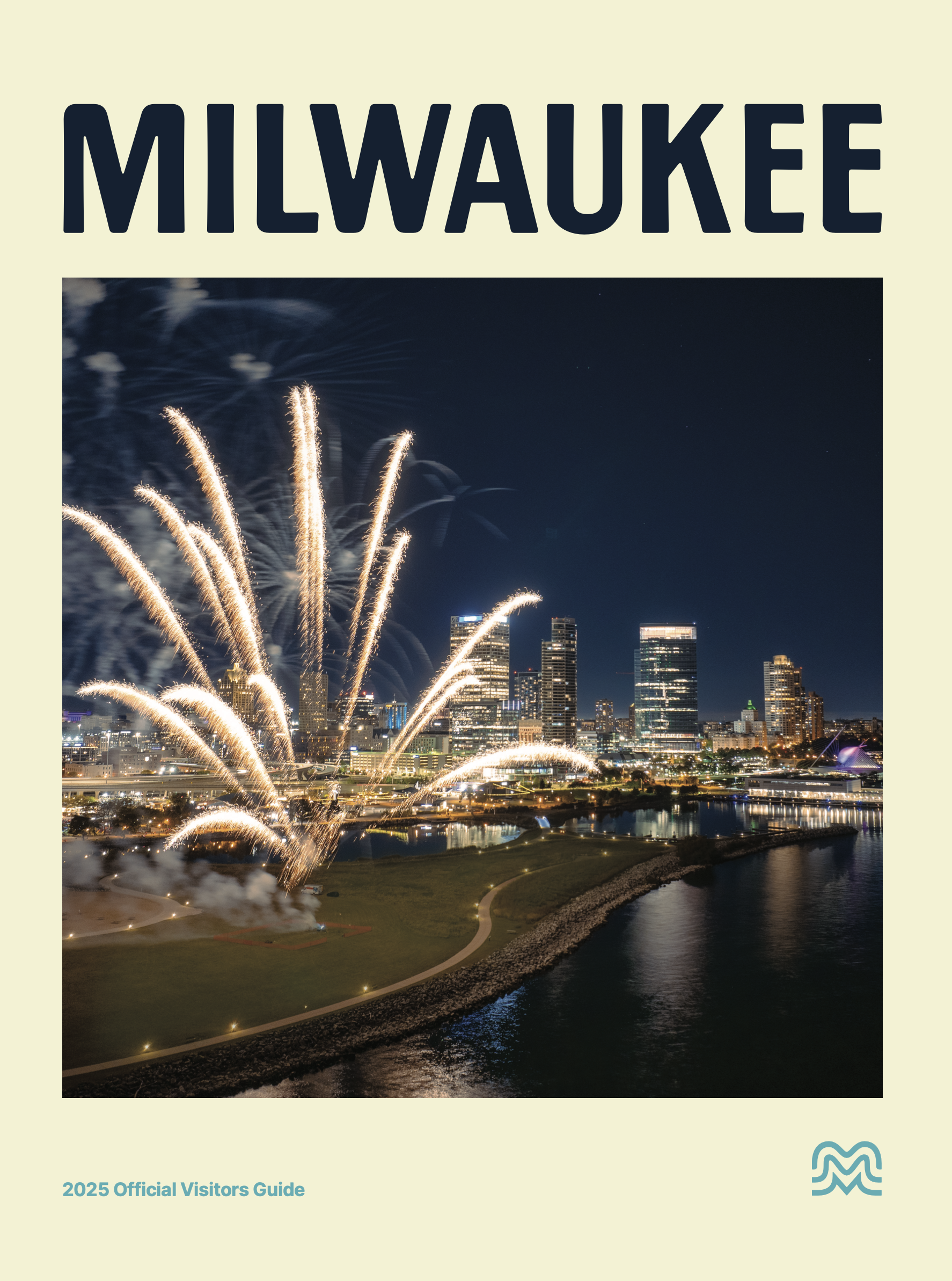
When people think of Milwaukee’s public art, iconic landmarks like the Bronze Fonz or the Milwaukee Art Museum’s dramatic architecture usually come to mind. But if you take a closer look, you’ll find that creativity is woven into nearly every corner of the city. Here are some of the lesser-known, but equally inspiring works of art to explore in Milwaukee.
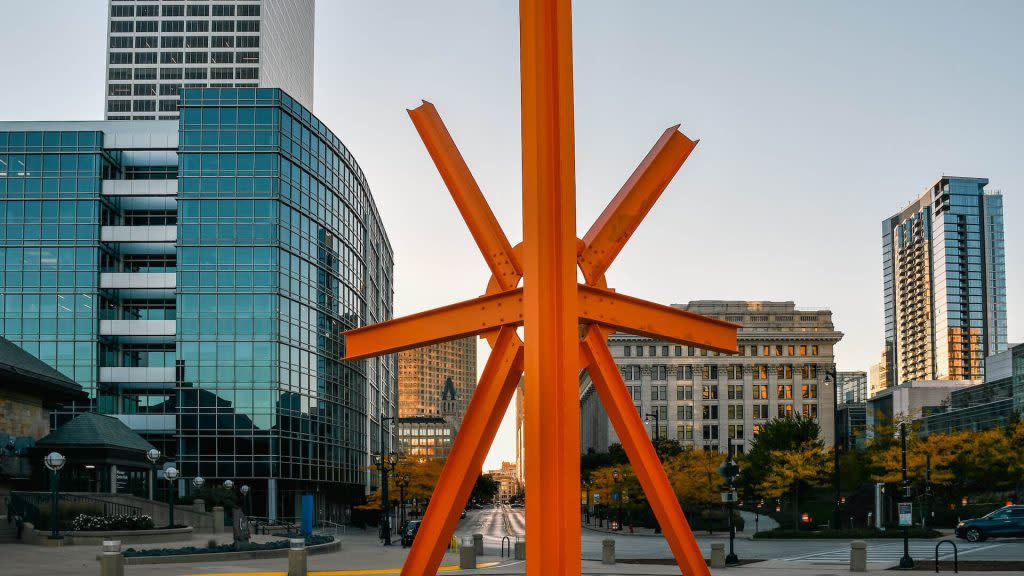
The Calling
East End of Wisconsin Avenue
Located near the Milwaukee Art Museum, “The Calling” by Mark di Suvero is impossible to miss. Rising 40 feet into the sky and painted a bold orange, this steel sculpture captures the sunrise over Lake Michigan. Its abstract form and commanding presence have made it a symbol of Milwaukee’s creative energy and forward-thinking spirit. It's a dramatic welcome to the lakefront that you have to see for yourself.
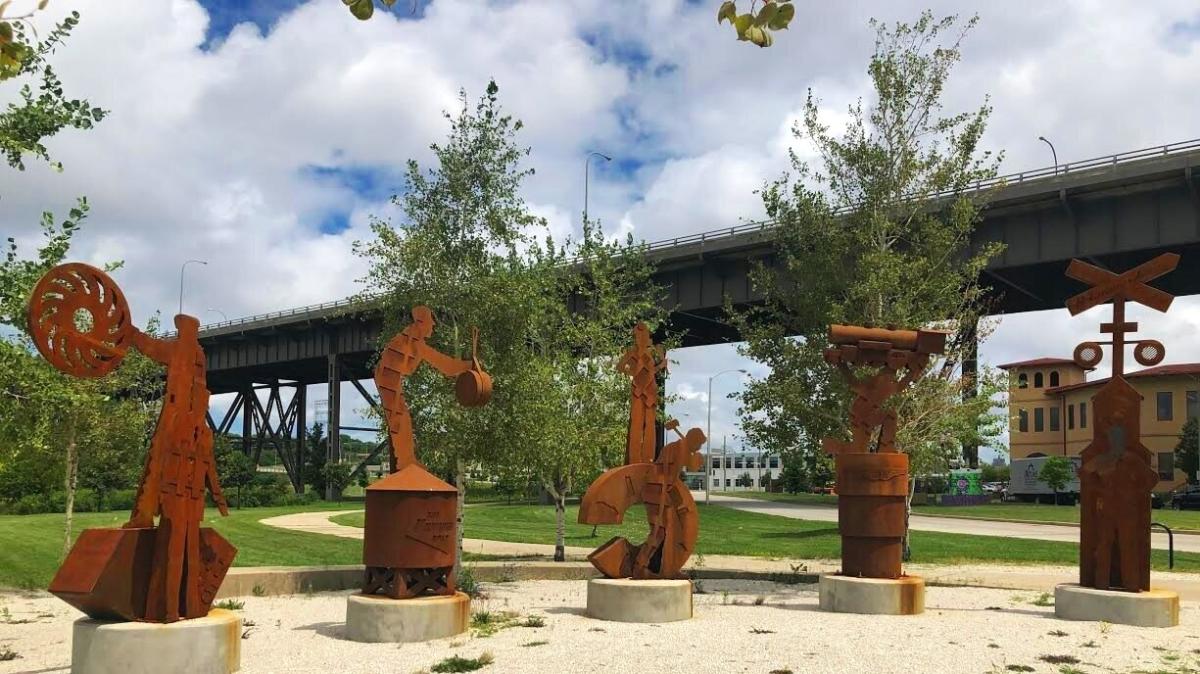
People of the Road
Menomonee Valley Community Park
This thoughtful installation by Milwaukee artist Richard Taylor honors the laborers who built and powered the Milwaukee Road railway. Inspired by archival photographs, the five steel silhouettes represent the thousands of workers who kept the city moving from the late 19th century through the 1980s. “People of the Road” serves as a quiet, powerful reminder of Milwaukee’s industrial legacy.
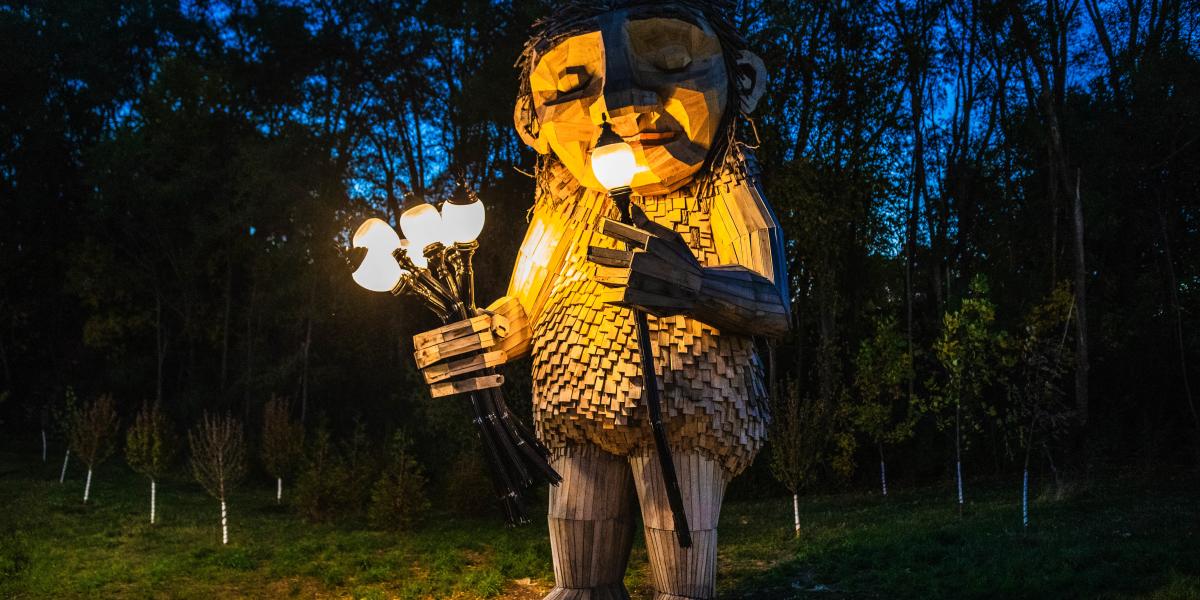
Mama Rosa the Troll
Firefly Grove Park, Wauwatosa
Hidden in Firefly Grove Park, “Mama Rosa” is a larger-than-life wooden troll and a new addition to Milwaukee’s public art scene. Created by Danish artist Thomas Dambo and built from locally sourced scrap wood, she is part of an international series of more than 150 trolls. The project promotes sustainability and invites visitors to appreciate its craftsmanship and storytelling. Some encounter her unexpectedly. Others plan the visit. Either way, Mama Rosa creates a moment of connection with nature, creativity and community.
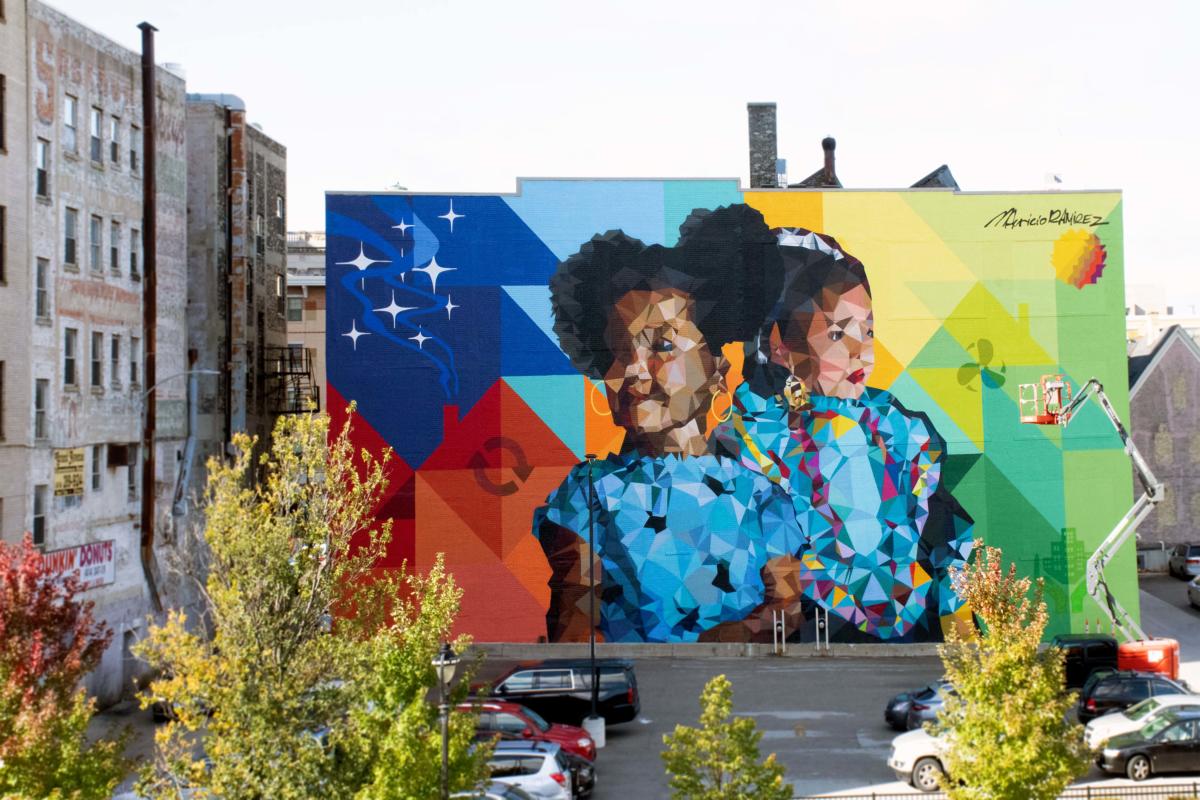
Heart & Sol
Community Advocates Building
Muralist Mauricio Ramirez brings a splash of color to downtown with “Heart & Sol,” a colorful mural painted across the side of the Community Advocates building. Featuring swirling shapes and expressive faces, the piece reflects the city’s diversity and the everyday strength of its people. It’s both a tribute and a celebration of the community’s collective heartbeat.
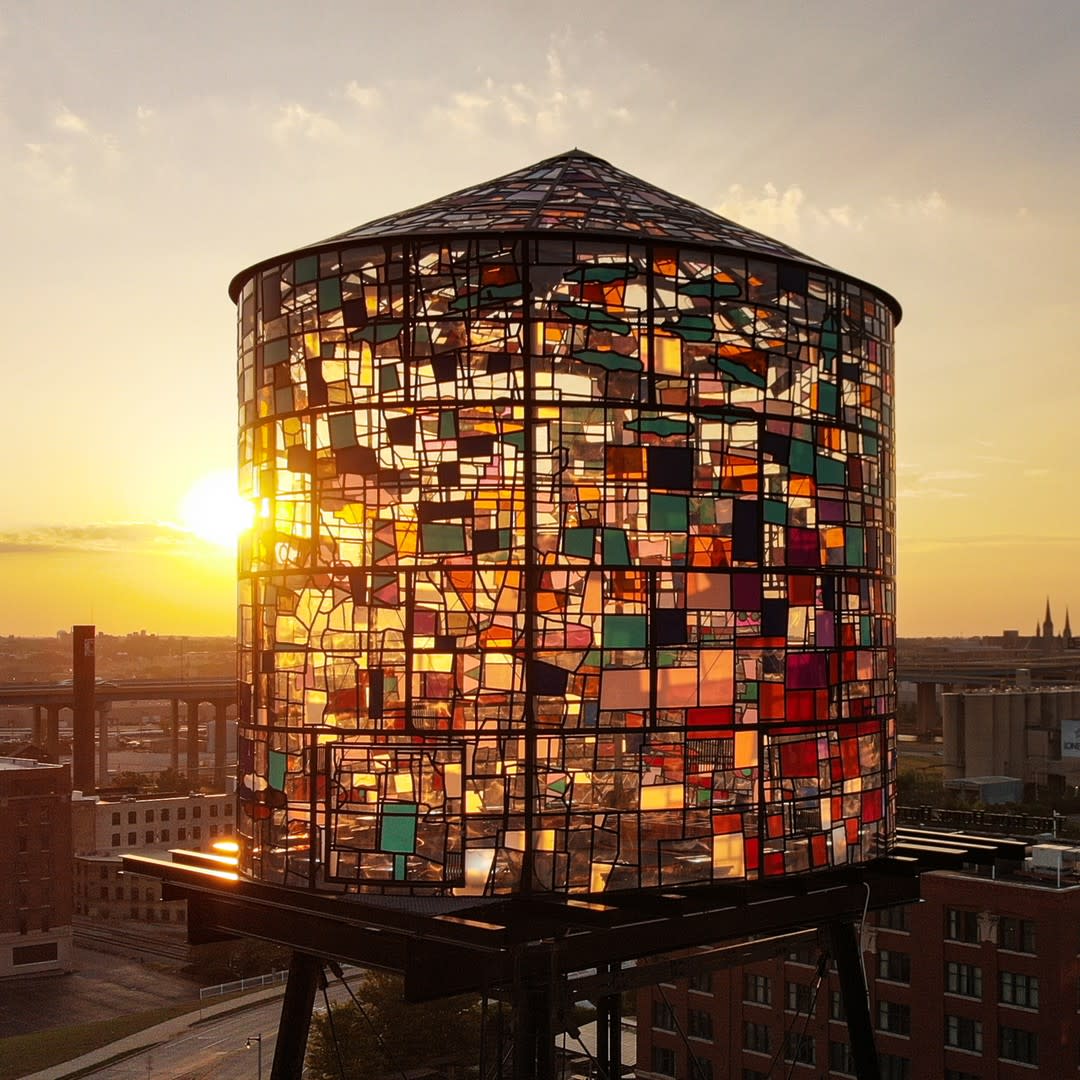
Coakley Watertower
Walker’s Point
Perched atop a warehouse in Walker’s Point, Tom Fruin’s “Watertower” adds a splash of color to the Milwaukee skyline. Constructed from multicolored Plexiglas and steel, the sculpture reimagines a classic rooftop feature as a glowing work of contemporary art. During the day, it reflects the sun in shifting hues. At night it lights up like a beacon, bridging Milwaukee’s industrial past with its creative momentum.
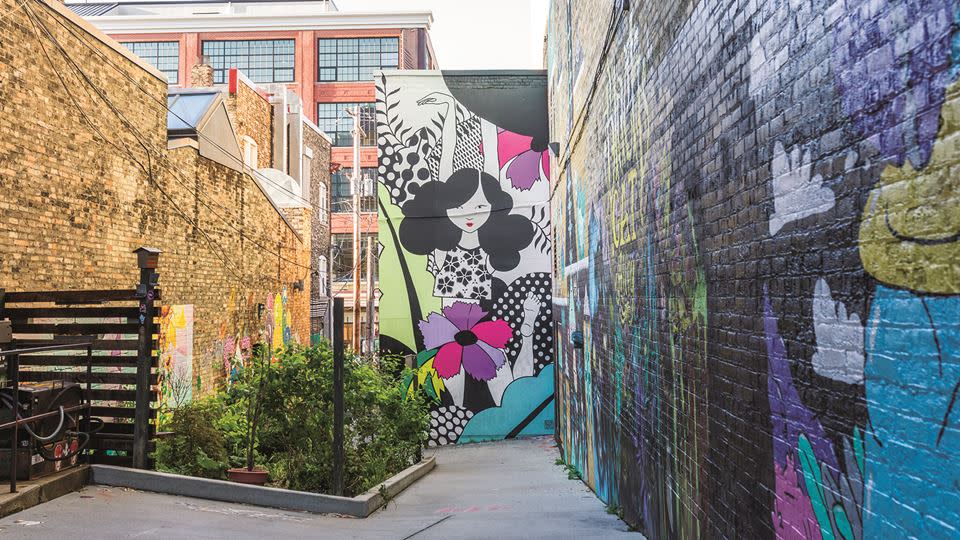
Black Cat Alley
East Side
Hidden behind the Oriental Theatre, Black Cat Alley invites visitors into an immersive outdoor gallery of larger-than-life murals. Bold designs stretch across the alley’s brick walls, showcasing work by both local and international artists. This tucked-away corridor is a cornerstone of Milwaukee’s urban art scene, offering a striking and walkable look at the city’s creative expression.
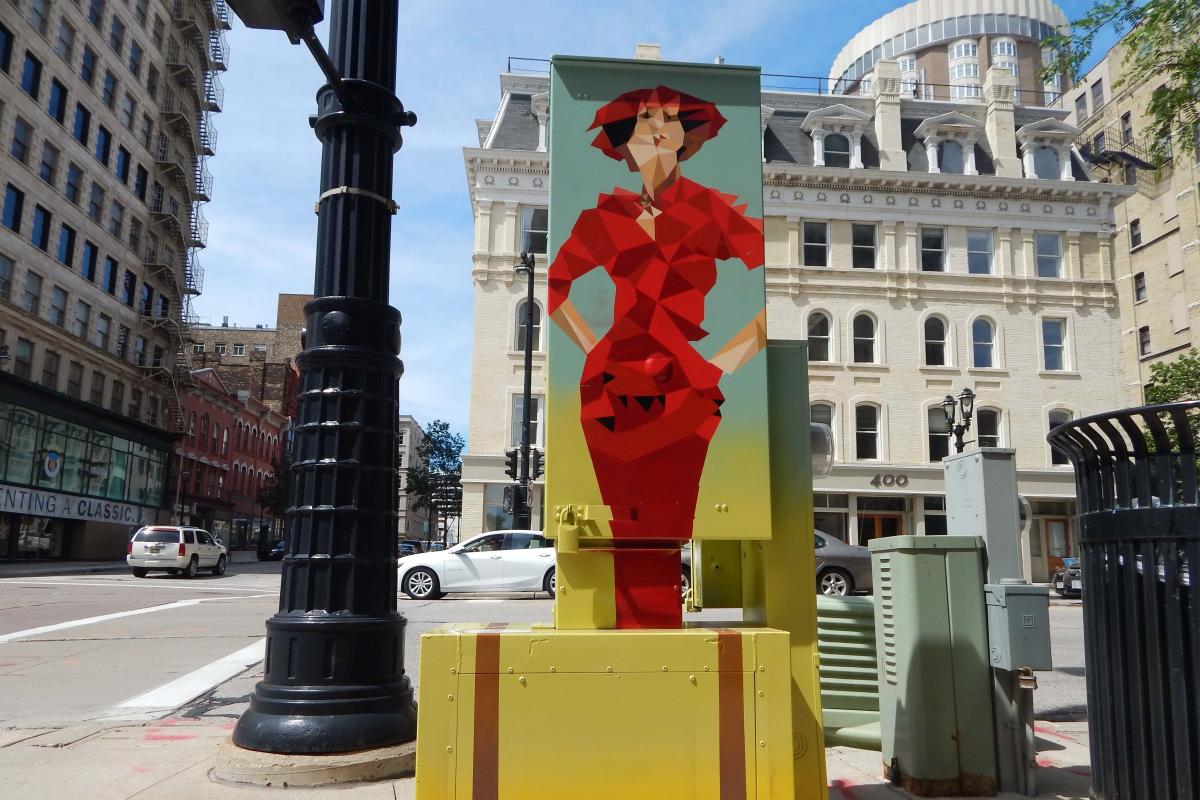
Utility Box Murals
Wisconsin Avenue
These oft-overlooked utilities have been transformed into delightful masterpieces. Thanks to artists like Mauricio Ramirez, utility boxes throughout downtown are now canvases for bold mini-murals. These small-scale works celebrate the city’s culture, while proving that creativity doesn’t need a grand stage to make an impact.
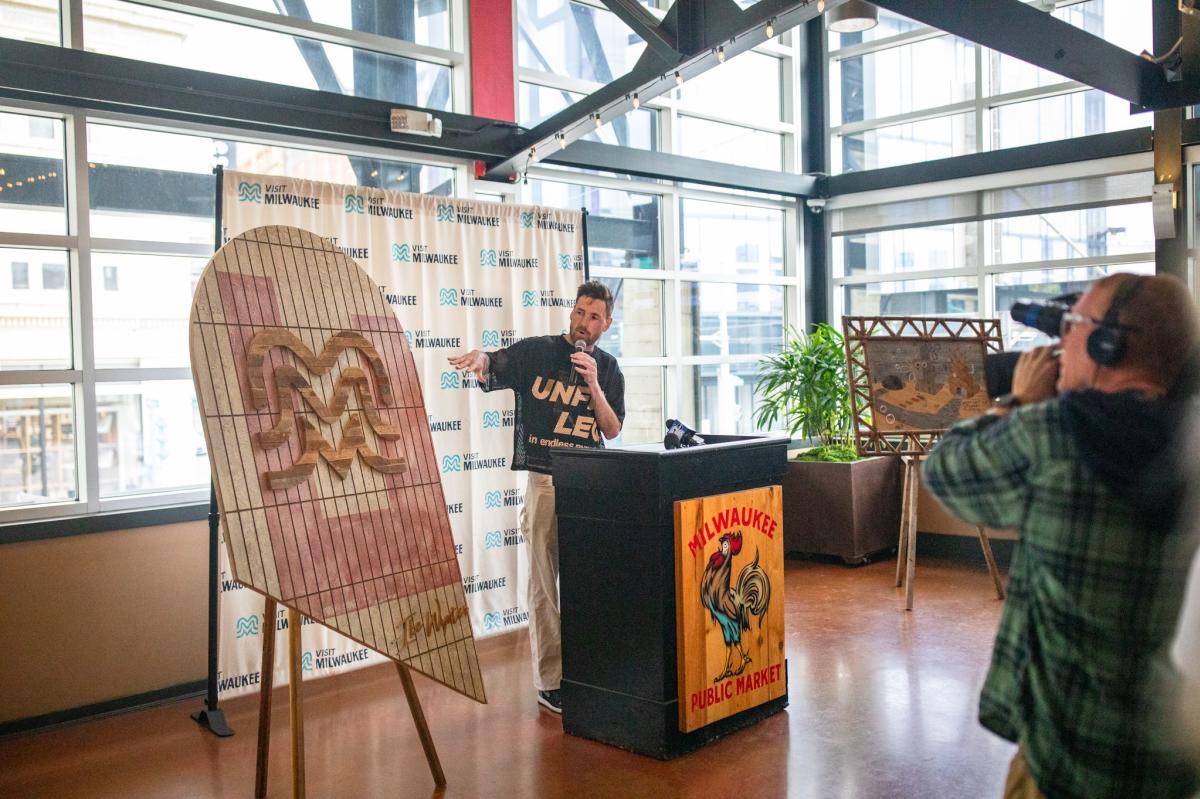
The Flow
A reflection of Visit Milwaukee’s Fresh. Flavor. Forward. spirit, The Flow is a wood mosaic installation by Milwaukee-born artist Ike Wynter. Crafted from reclaimed materials salvaged from the set of “Top Chef: Wisconsin”, the work now lives on the second-floor landing, adjacent to the elevator shaft. Wynter’s signature use of untreated, naturally colored wood underscores his commitment to sustainability, while the installation celebrates the city’s culinary creativity, national recognition and ongoing story of reinvention.
Start planning your creatively inspired art-interary. Explore Milwaukee’s murals and public art, discover the local creative scene and book your stay today.

