




By 8 a.m., Milwaukee’s downtown is already moving at a brisk clip. Rolling suitcases hum across crosswalks, coffee shops buzz with laptop chatter, and lanyards sway on their way to Baird Center.
Business travel is coming back, and it’s traveling differently. BCD Travel’s recent survey shows fewer professionals are sticking to one or two trips a year, while more are booking four, six, or even a dozen flights annually. In Milwaukee, that uptick is visible in packed conference schedules, sold-out hotel blocks, and the after-hours energy in restaurants where contracts get signed over cocktails. The numbers bear this out: In 2025, weekday demand in Milwaukee County grew 2.1 percent year over year, and as of early December, weekday occupancy was up by nearly the same amount.
Milwaukee’s hotels are evolving to meet the new traveler’s demands: high-tech where it matters, high-touch where it counts. And more options are on the way in the near future: the city’s first Moxy Hotel, all swagger and social spaces, is set to debut, along with its first AC Hotel by Marriott, a sleek, European-inspired property giving visiting execs another stylish address. They’ll join an already strong roster of operators fluent in the language of modern business travel.
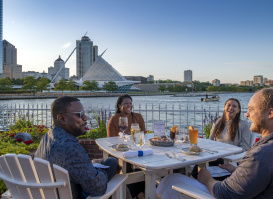
Today’s road warriors want more than a bed and Wi-Fi. They want walkable meetings, food worth bragging about, and experiences that make the trip feel like more than a to-do list. Milwaukee’s hospitality scene has taken note, and is delivering. As Bill Elliott, president and CEO of the Wisconsin Hotel & Lodging Association, puts it: “Milwaukee's hotels are rewriting the rules of business travel. Instead of just offering a room, they're creating hubs that blend work with local culture and wellness, proving the city is a destination where business can feel like a genuine getaway.”
A City Built to Host
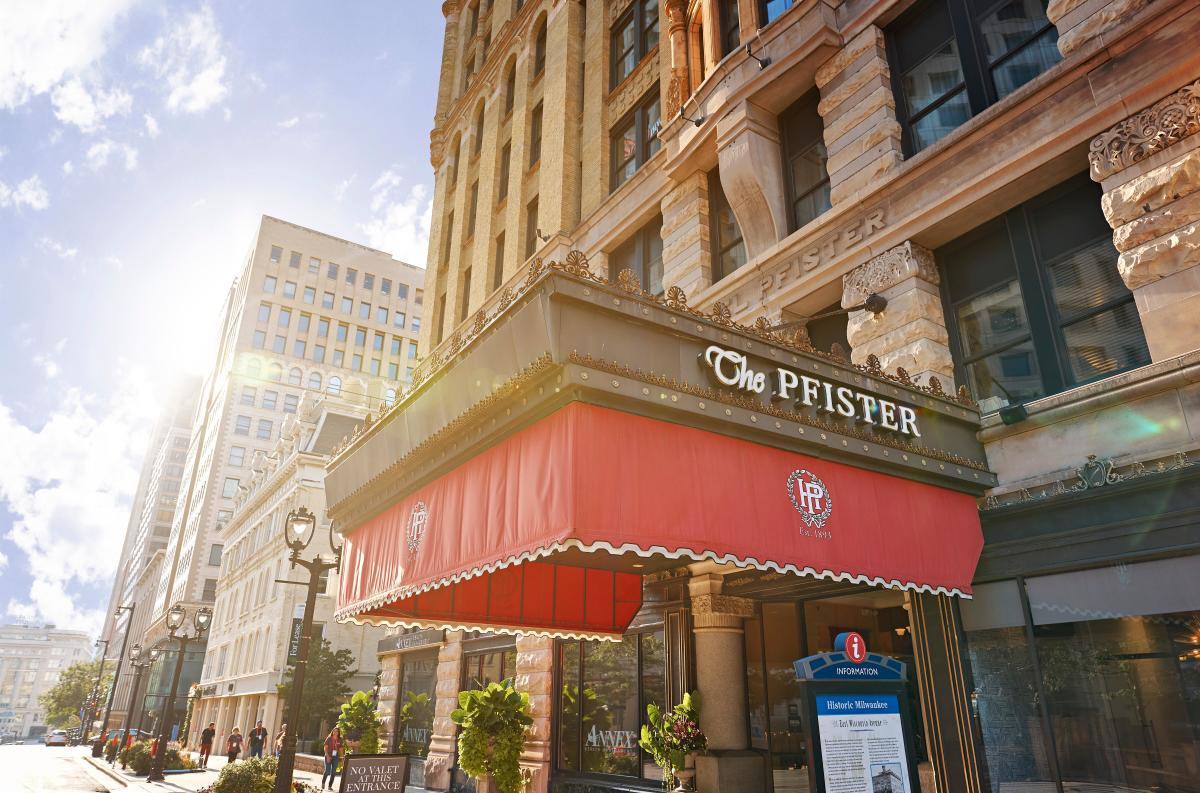
Brandon Drusch, managing director and general manager of The Pfister Hotel and Saint Kate – The Arts Hotel, has been watching the change in real time. “Business travel is just going to keep increasing from what we see,” he says. “There’s a time and place for Zoom calls, but at the end of the day, hotels and hospitality are just like business. It’s all about connection.”
Drusch’s properties, The Pfister, Saint Kate – The Arts Hotel, and the Hilton Milwaukee, all locally owned and operated by Milwaukee-based Marcus Corp., treat adaptability like a sport. Dual monitors in guest rooms for power users. “Executive study rooms” for virtual meetings that don’t look like they were shot in a hotel suite. A system that keeps recurring guests’ bags on hand and waiting in their rooms on arrival. At Saint Kate, even the in-room record player gets a personal touch; the hotel’s curator will hunt down albums to suit your tastes, working with local record shops to get it right.
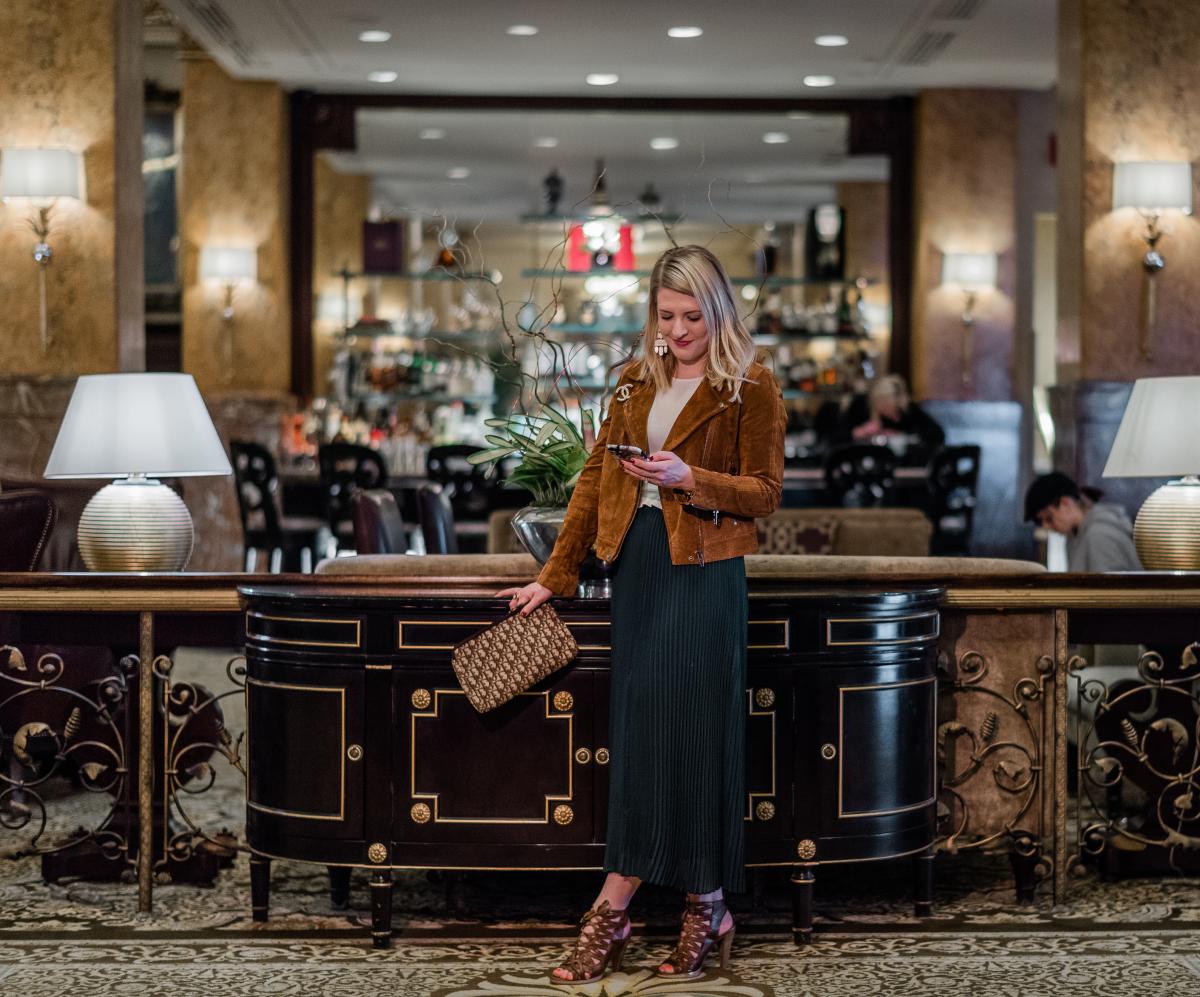
That blend of utility and delight runs deep here. Potawatomi Casino | Hotel, fresh off a $190 million renovation, offers dining, entertainment, a sportsbook with a two-story video wall, and some of the most comprehensive in-house amenities you’ll find in the Midwest. The Kimpton Journeyman Hotel pours craft cocktails on a rooftop bar with skyline views, while other properties lean into direct connections to downtown’s food halls, markets, and cultural districts.
And every January, the city’s hospitality community gives travelers even more reason to check in. Milwaukee Hotel Month turns winter into an opportunity, offering exclusive rates at dozens of top properties across the city. It’s a celebration of Milwaukee’s hotel scene -- its creativity, its variety, and its belief that great stays spark great connections.
15 Minutes to Everything
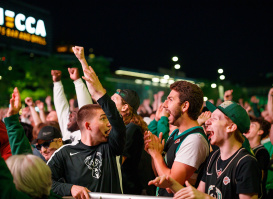
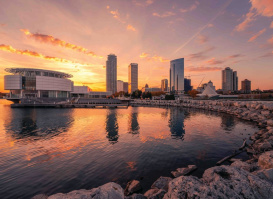
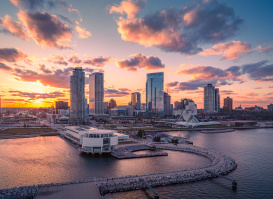
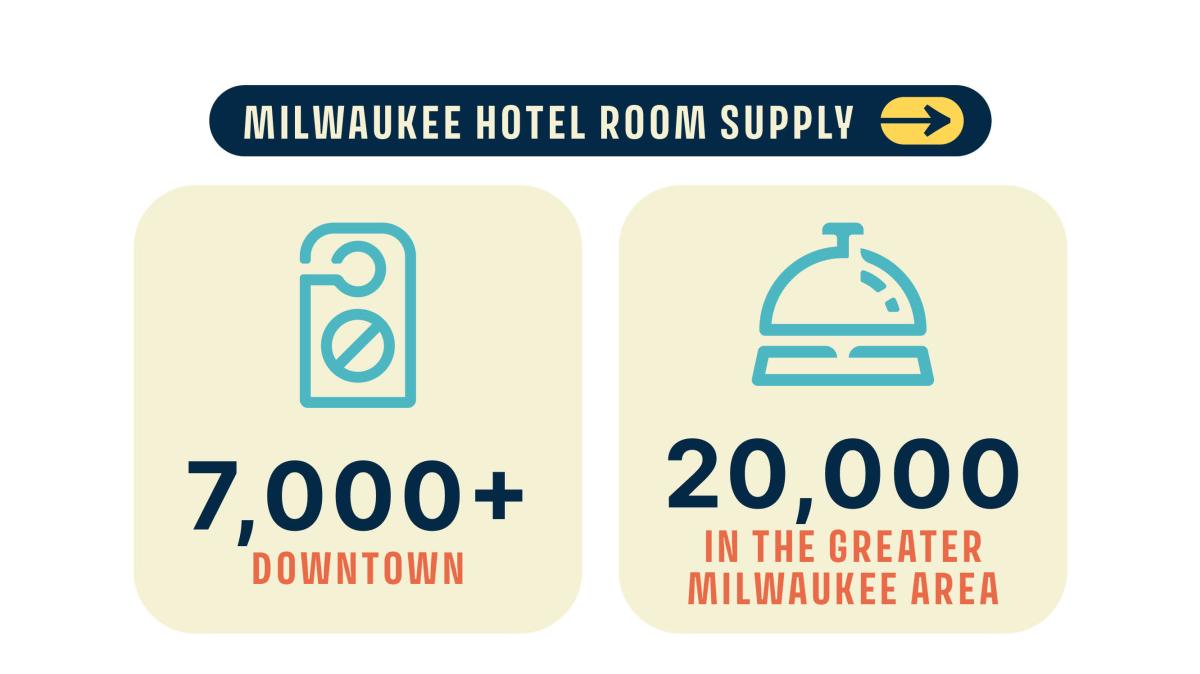
Milwaukee’s scale works in its favor. “Everything is only 15 minutes away” is more than a saying here, it’s a selling point. Guests staying in one of downtown Milwaukee’s 7,000+ hotel rooms can be at a Milwaukee Brewers game, a festival at Henry Maier Festival Park, or a Milwaukee River architecture tour in less time than it takes to get through crosstown traffic in Chicago.
Hotels collaborate with the city’s experiences as much as they compete with one another. Potawatomi runs shuttles to baseball games. The Residence Inn Milwaukee Downtown sends guests toward the Riverwalk, the Milwaukee Public Market, and the lakefront, knowing the payoff will come in repeat bookings and word-of-mouth endorsements.
And for many corporate hosts, Milwaukee itself has become part of the pitch. “Corporate clients use Milwaukee as a selling point,” says Sandy Bolskar, director of sales at the Residence Inn. “We even get international groups from companies out of town all the time.”
The Business Case
The city’s hospitality sector has long understood that a vibrant hotel scene is a competitive advantage when courting corporate investment. Fortune 500 firms like Northwestern Mutual, ManpowerGroup, and Rockwell Automation bring clients here for a reason. “Whether it’s a scenic boat ride, an award-winning restaurant, or a venue with built-in activities, our visitors often fall in love with everything Milwaukee has to offer,” says Katherine LaMacchia, director of corporate events for Baird.
For Baird’s travel services manager, Clare Niswonger, the calculus is simple: modern business travelers expect more. High-speed internet, work-friendly spaces, flexible booking, wellness amenities, and a sense of place, not just a bed and a desk lamp.
That combination is what’s fueling Milwaukee’s comeback in the corporate travel market: a smart, resilient ecosystem where the city’s hotels aren’t just rooms for rent, but staging grounds for connection, collaboration, and discovery.
The revival may be quiet. But for the thousands of business travelers cycling through Milwaukee each week, and for the hoteliers, chefs, concierges, and shuttle drivers orchestrating their stays, it’s the sound of a city getting louder every day.
Read More About the Business of Travel in MKE