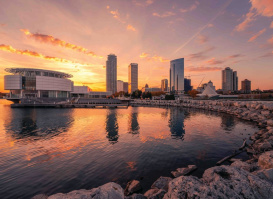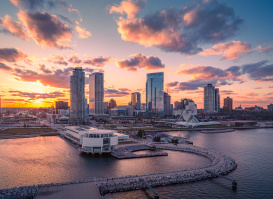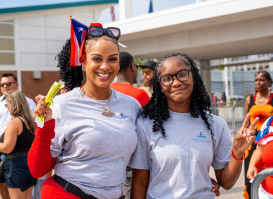





Most cities talk about being one of a kind. They splash the words across banners at tradeshows, stitch them into glossy brochures, and beam them into airport concourses. You could swap the name on the ad and never know the difference.
Milwaukee decided not to play that game.
Instead, the city’s destination marketing organization, Visit Milwaukee, has spent the past five years rewriting the rules. Its strategy is anchored in authenticity, sharpened by a data-first mindset, and made magnetic by creative marketing and partnerships that feel more like collaborations than sponsorships.
The results are tangible: national attention, record-breaking sales bookings and a meetings-and-conventions profile that puts this Great Lakes city on the same RFP list as some of the biggest destinations in the country.
“Over the last five years, Visit Milwaukee has demonstrated what bold, strategic destination marketing can accomplish, not just for a city, but for an entire industry,” said Don Welsh, president and CEO of Destinations International. “Their work has left an unmistakable mark on the global destination marketing community, proving that with the right vision and leadership, even mid-sized cities can punch well above their weight.”
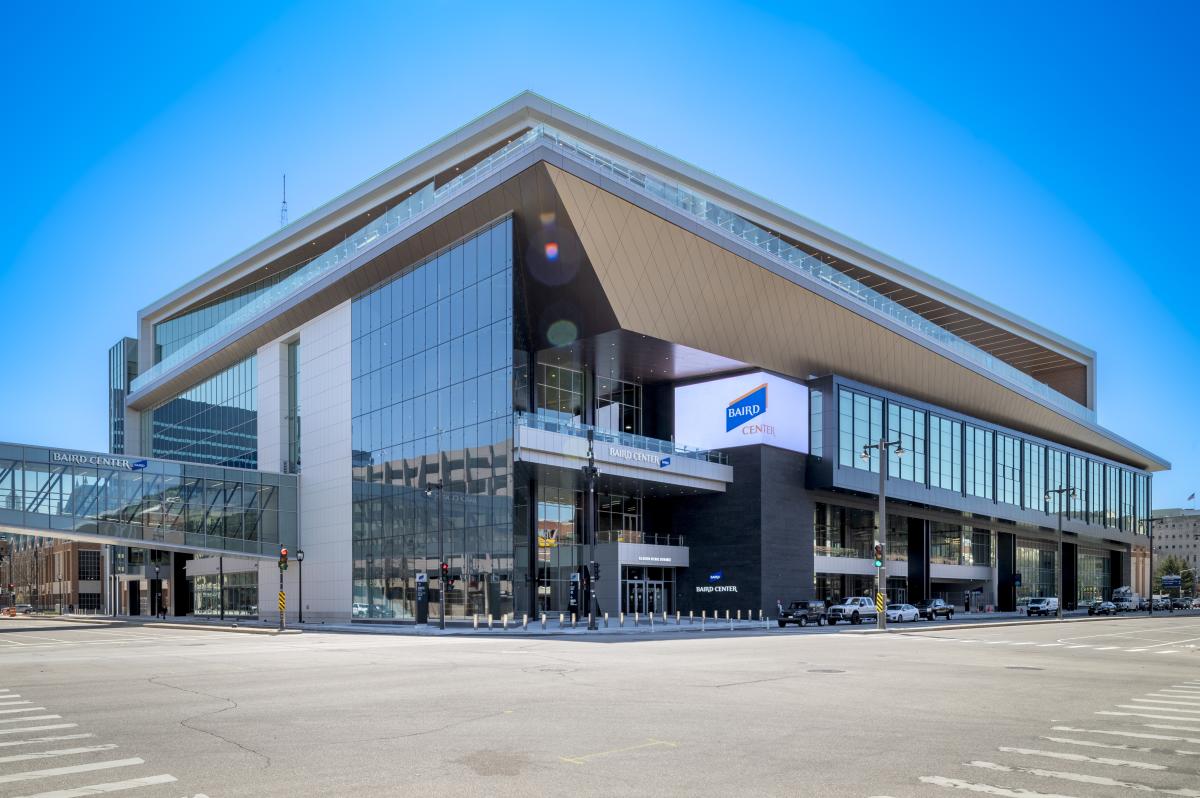
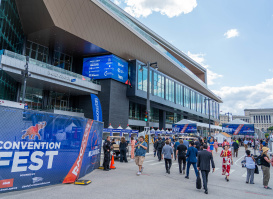
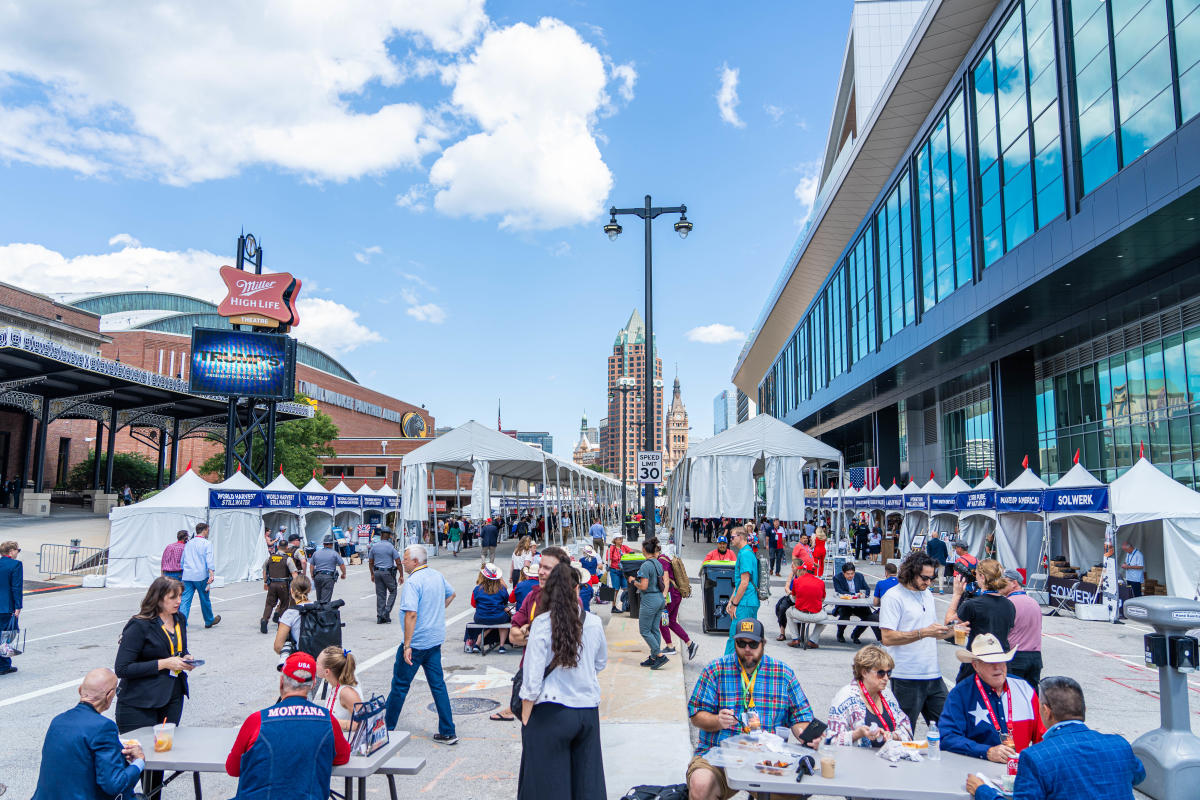
The focal point is Baird Center, Milwaukee’s convention center. It recently emerged from a $456 million expansion that took its total footprint to 1.3 million square feet and gave the city something it never had before: the ability to host multiple major groups at once. The upgrade immediately caught the attention of event organizers for the 2024 Republican National Convention, the 2024 Connect Marketplace, IAEE’s Expo! Expo!, which will bring its largest show in 2026, TEAMS, a conference for sports rights holders coming in 2027 and ASAE’s 2034 annual meeting, sometimes called the “Super Bowl of Meetings.”
“The expansion of Baird Center has been transformational for Milwaukee,” said Peggy Williams-Smith, president and CEO of Visit Milwaukee. “We are hosting groups we could not accommodate before, like USA Fencing and USA Wrestling, which means more rooms booked, more money spent at area restaurants and more people exploring our attractions. Once they have experienced all our city has to offer, we know they will be back as leisure visitors.”
In 2024, the sales team surpassed its own high bar, booking 287,000 hotel room nights, 117 percent of its annual goal, and in 2025, their efforts resulted in more than 300,000 room nights booked for future years. Baird Center’s debut year alone saw more than 200 events, and more than 420,000 attendees who generated $174 million in economic impact.
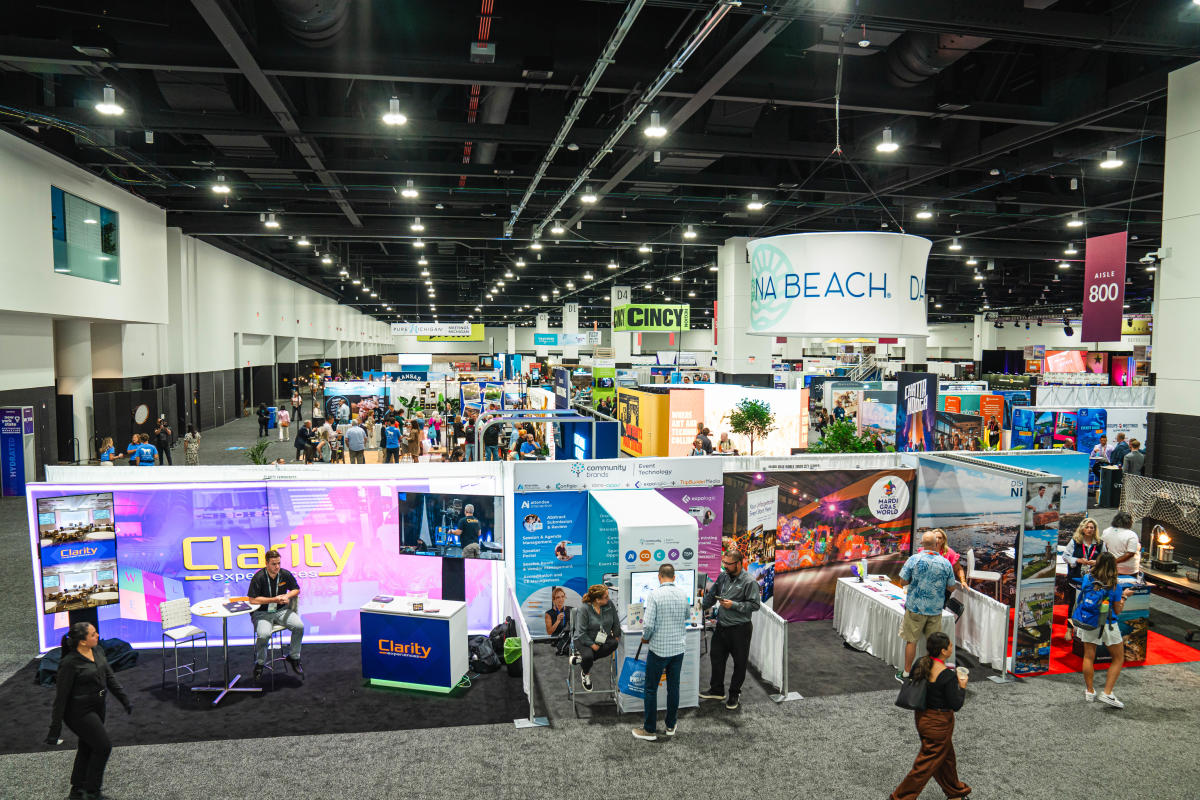
To win those contracts, Visit Milwaukee’s sales team logs serious miles, attending more than 60 tradeshows a year that range from industry giants to niche gatherings. They do not just show up with brochures and a handshake. One of their newer plays is the Milwaukee Tailgate Club, a booth experience built around the city’s deep baseball tailgating culture. Instead of fluorescent convention lighting and stale swag, planners get exclusive invites, camaraderie and a slice of the city’s personality.
Sometimes, Visit Milwaukee brings a piece of the city with them. Local businesses like HoneyBee Sage and BKlear have joined the roadshow, serving tea, handing out Milwaukee-made canned water and telling their own Milwaukee stories. “It is a real win-win,” said Leslie Johnson, Visit Milwaukee’s vice president of sales and events. “Planners connect with the city in a real way, and these businesses get a new audience.”
The creativity doesn’t stop there. Chief Marketing Officer Josh Albrecht describes it as “positioning ourselves at the forefront of the industry edge.” That edge includes Ask LeRoy, an AI-meets-AR digital concierge featuring Green Bay Packers legend and Milwaukeean LeRoy Butler. In real time, LeRoy points planners and visitors toward nearby dining, attractions and events.
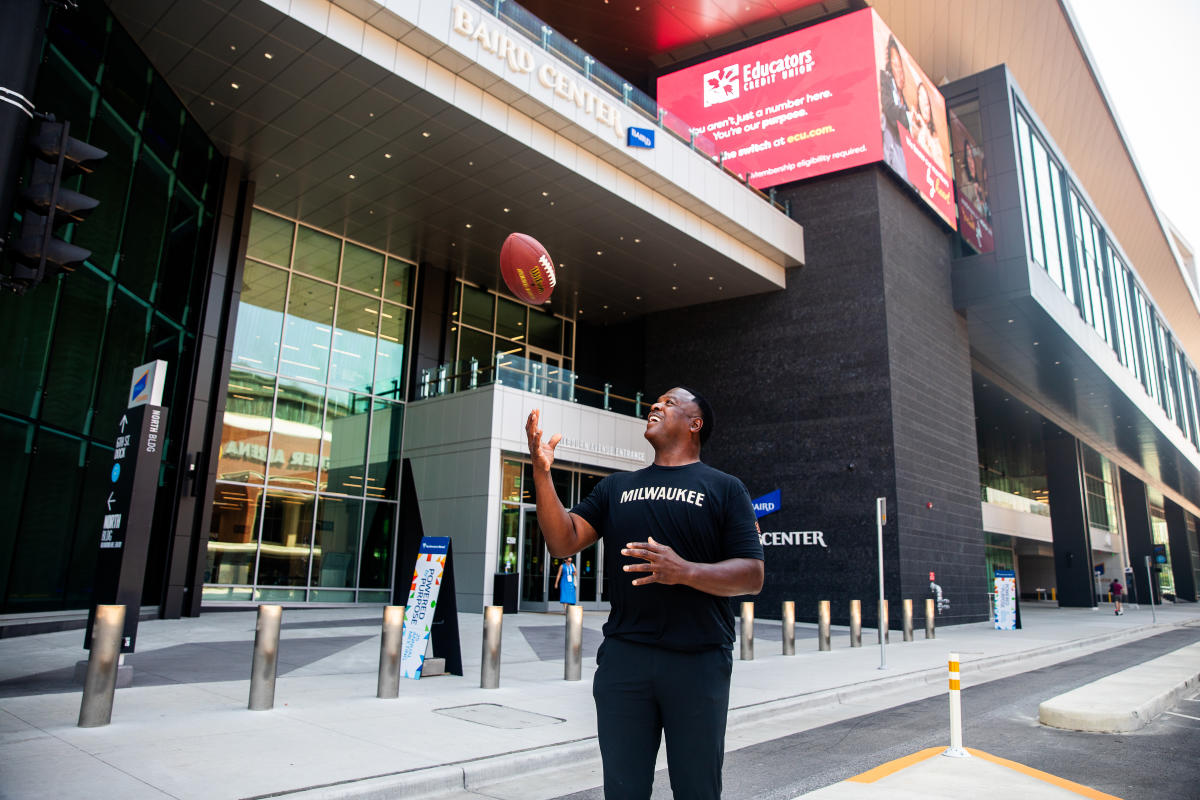
LeRoy joins a lineup of athletic ambassadors that began with Milwaukee Bucks forward Bobby Portis in 2022, continued with Milwaukee Brewers MVP Christian Yelich in 2025, and extended to the ice with custom Milwaukee Admirals warm-up jerseys in 2024. Those jerseys became fan favorites, and when the season ended, the game-worn sweaters brought in more than $16,000 at auction for the Visit Milwaukee Foundation’s hospitality scholarships.
It is here, as Milwaukee’s brand gains national reach and cultural resonance, that city leadership has stepped in to reinforce the message. “Every time I join a planner site visit, I watch the same thing happen,” said Milwaukee Common Council President José Pérez. “People arrive curious and leave convinced. They see our venues, our food scene, our walkability, our people, and they get it. Milwaukee is not the underdog in this industry anymore. We are the one rewriting the playbook.”
The city itself has been turning up in unexpected places as well. Bravo aired “Top Chef: Wisconsin” in Milwaukee in 2024, featuring scenes and faces from across Milwaukee. The exposure helped pave the way for cameo appearances in two 2024 episodes of “The Real Housewives of Salt Lake City.”
Food is another cornerstone of Milwaukee’s brand. The Milwaukee Flavor Live cooking event brought together 13 top chefs for a one-night culinary showcase. And this past fall, the Milwaukee Flavor Cooking Series at the Milwaukee Public Market gave visitors a more intimate taste of the city’s kitchen talent, in tandem with the launch of “Milwaukee Flavor: The Cookbook,” a collection of recipes from dozens of Milwaukee chefs that capture the city’s collaborative, diverse food scene.
As Milwaukee’s visibility rises, so too does the strength of its civic partnerships, a key factor in sustaining the momentum.
“What you see in Milwaukee right now is an alignment of leadership that is rare for a city our size,” said Joel Brennan, president of the Greater Milwaukee Committee. “Our corporate partners, our elected officials and our hospitality leaders are rowing in the same direction. When Visit Milwaukee goes out to sell this city, the entire community is behind them, and planners feel that.”
None of this happens without the spreadsheets. “Visit Milwaukee stands out as one of the most data-savvy destination marketing organizations we work with,” said Greg Pepitone, associate director at Tourism Economics. “Their team consistently integrates data into every level of strategy, from high-level sales forecasting and market prioritization to visitor insights and stakeholder reporting. It is a model of how data-driven insights can elevate both marketing effectiveness and community impact.”
The strategy has turned Milwaukee into something rare in the convention world: a city with big-league credibility and small-city warmth, and a growing roster of visitor origin markets that extend further into neighboring states than ever before. It is the kind of place where a convention trip might lead you back for a vacation, or where a week of meetings might have you wondering what it would be like to live and work here.
Visit Milwaukee has learned how to sell its city without pretending to be anything it is not. In an industry built on impressions, that may be the most powerful move of all.
Read More About the Business of Travel in MKE