




Business trips used to be simple—fly in, sit in a conference room under fluorescent lights, maybe hit a hotel bar and then catch the first flight out. These days, that script is getting a rewrite. There’s a new word for it, one that sounds like it belongs in an ad campaign but reflects a real shift in how people travel: bleisure. And now, according to BCD Travel’s May 2025 report about business travel trends in North America, Europe and Asia, six out of 10 business travelers have adopted the practice.
The idea is as straightforward as it is appealing. You tack a day or two of leisure onto your work trip, and suddenly the spreadsheet marathon becomes a mini-vacation.
In Milwaukee, it is a movement with momentum.
Megan Seppmann, vice president and chief commercial officer for the Wisconsin Center District, is a bleisure convert. She logs business miles like a touring musician and knows the grind well enough to hack it.
“As someone who travels 50 percent of the time for my job, it makes sense,” she said. “I was recently in Savannah, Georgia. I went in a day early because I had never been to that city. I wanted to explore it, feel it, taste it. Then I was in New Orleans, and I wanted to get that vibe, too. We are seeing that same pattern of excitement for Milwaukee. This is the city where people have now come to expect the unexpected.”
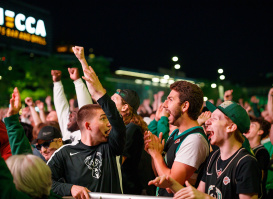
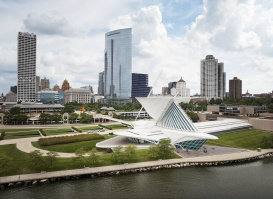
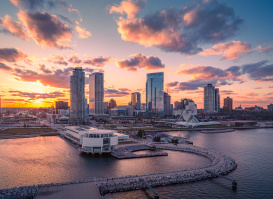
Milwaukee has been having a moment. Hosting major events, from the Republican National Convention to top-tier sporting championships, has pulled the city out from under the radar and into the spotlight. And what visitors find surprises them. Downtown is walkable in a way most cities can only envy. From the gleaming, expanded Baird Center, you can be at the lakefront in less than 20 minutes, passing stately architecture, street-level energy and a food scene that refuses to fit the old stereotypes.
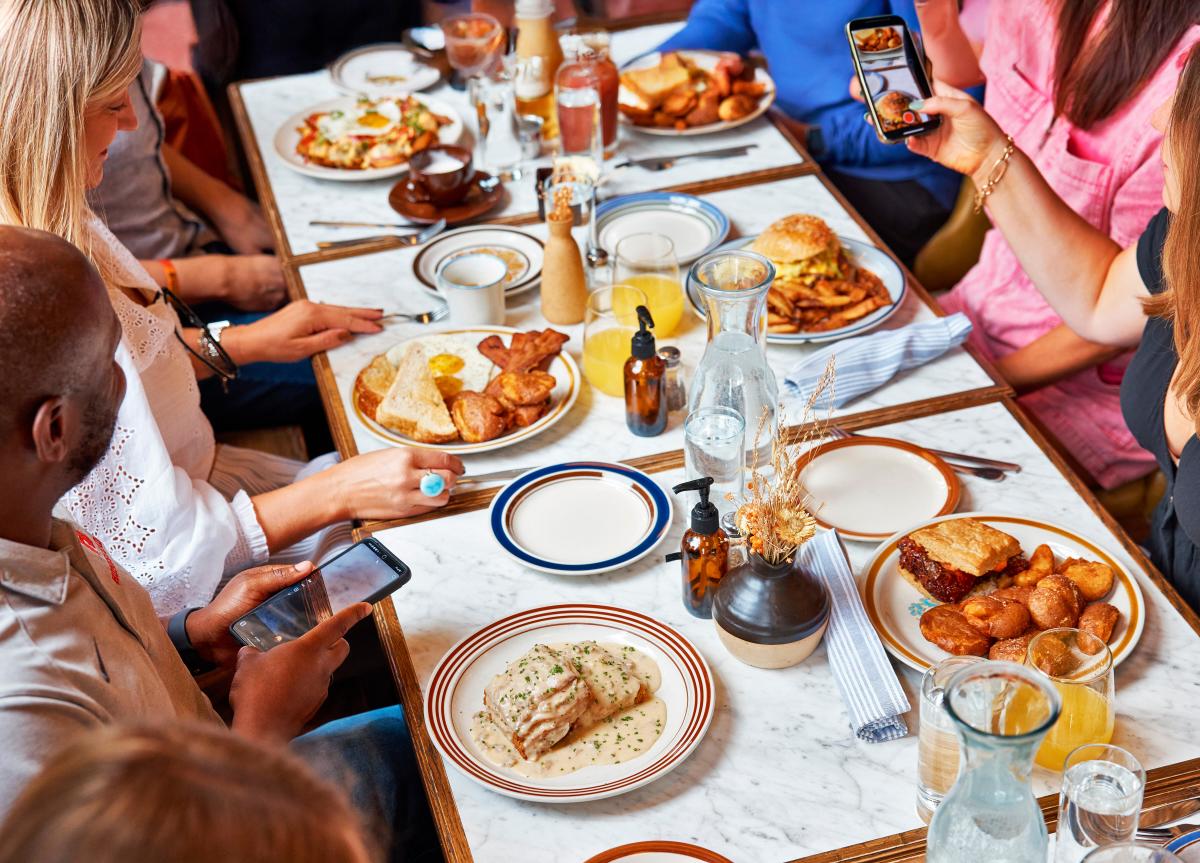
It is not just locals saying so. Condé Nast Traveler readers recently named Milwaukee the No. 3 Best Food City in the United States, a nod to the chefs, restaurateurs and neighborhoods that have turned the city into a dining destination for travelers who arrive hungry for more than meetings.
“The walkability of our city is a draw,” Seppmann said. “Along the way to the lakefront you can see all of the city’s wonderful architecture, experience downtown restaurants and bars, and venture into the Historic Third Ward.”
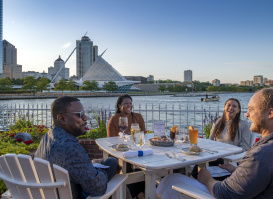
There is also the RiverWalk, a 3-mile ribbon of brick and boardwalk hugging the Milwaukee River, lined with bars, public art and the kind of casual waterfront atmosphere usually reserved for coastal cities.
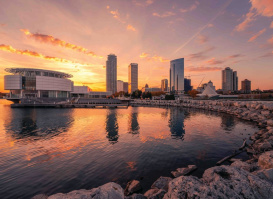
“People come here and have no idea how beautiful Milwaukee is with three rivers flowing through downtown and converging into Lake Michigan,” Seppmann said.
When pitching conferences and conventions, Seppmann and her team often start by selling the city itself before they get to the world-class amenities of the Baird Center.
“In the general conference format, especially post-pandemic, planners are really having to be innovative in how they draw attendees to their cities,” she said. “Milwaukee has positioned itself so well. Sure, you can go to Las Vegas and you know you’ll get shows, fine restaurants and casinos. But cities like Milwaukee are on the rise because they are unique destinations that are now in the conference and convention rotation.”
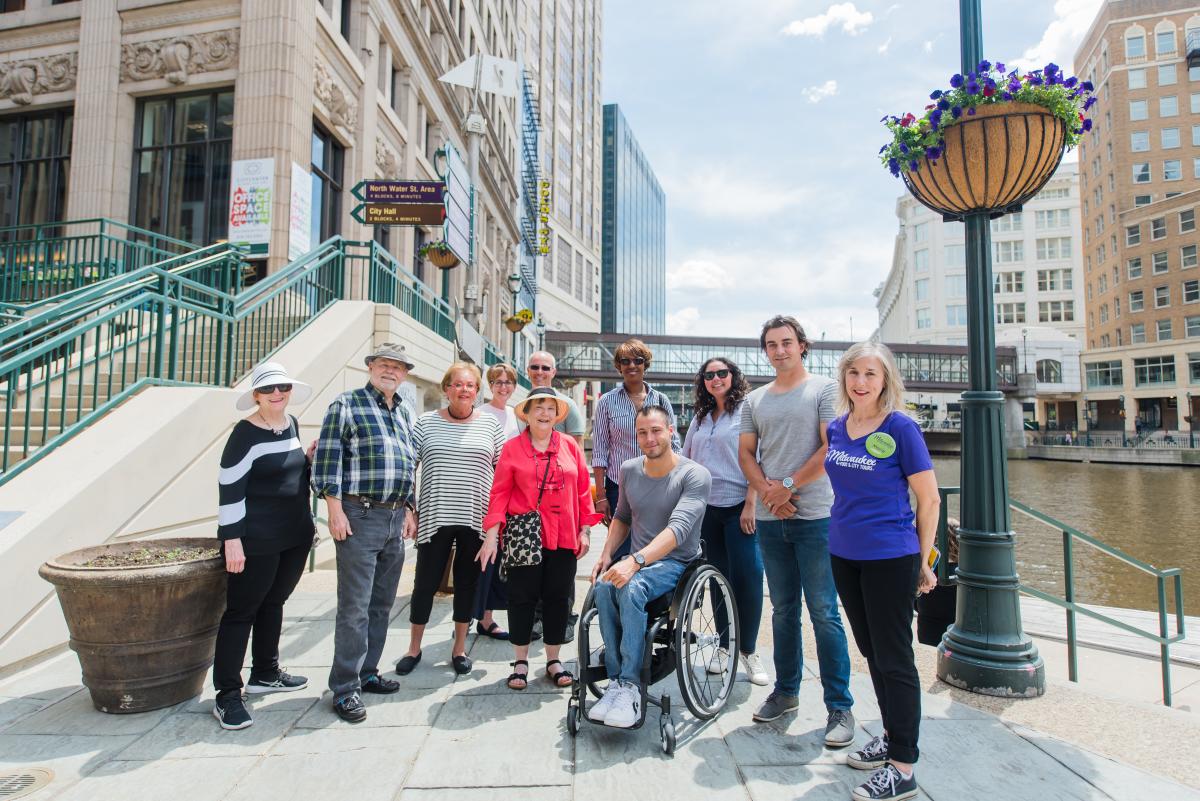
Theresa Nemetz, founder of Milwaukee Food & City Tours and Travel Deliciously, sees bleisure travelers all the time. They arrive a day early for a convention and end up eating their way through Brady Street or sipping cocktails in Walker’s Point. Often, they leave plotting a return trip, this time with spouses, kids or friends in tow.
“We are seeing people do that all the time,” Nemetz said. “Something that’s also becoming a trend is when we encounter business travelers who come to Milwaukee by themselves. Usually, by the end of their trip, they’re saying, ‘I wish that I knew what Milwaukee was all about and I would have brought my family and come in earlier.’”
Her tours range from taco-and-tequila crawls to “Milwaukee’s Greatest Hits,” a greatest-hits mixtape in physical form: Harley-Davidson Museum, Northpoint Lighthouse, lakefront vistas that demand a pause. For some conventions, she builds tours right into the schedule, picking attendees up from the Baird Center for a lunchtime taste of the city.
Nemetz said she often hears from travelers who return for leisure after first visiting for work. “They’ll tell us they were in Milwaukee for a convention or training and came back here for a vacation,” she said. “They leave with a wonderful impression of Milwaukee. They experience the lakefront and can’t believe how accessible it is. They also love the Hank Aaron Trail for running and biking. The food scene, too, surprises most people. They’re thinking it’s going to be heavy Midwestern food and cheese curds, but they find out it’s much more than that.”
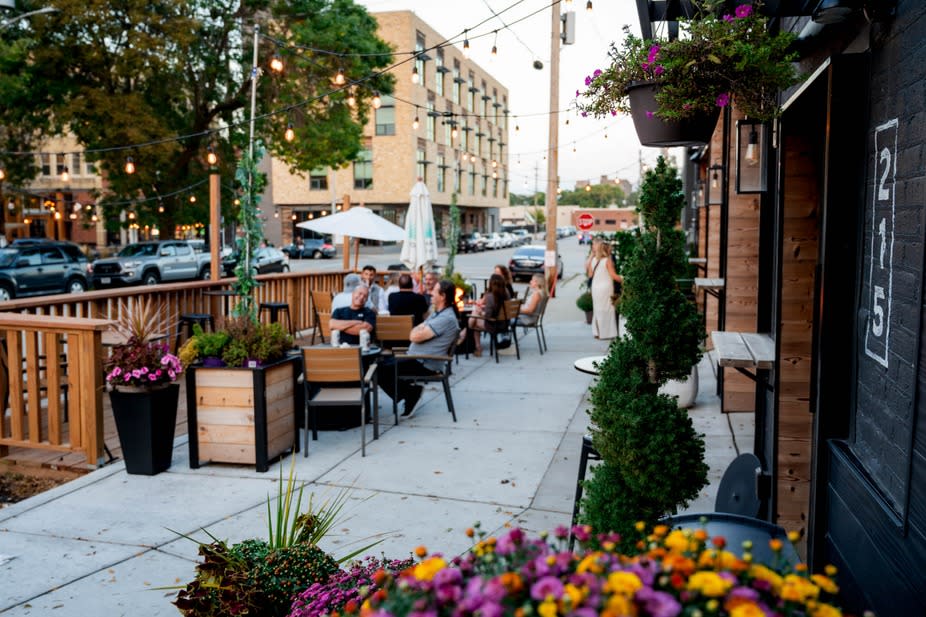
Meghan Miles, founder of City Tours MKE, calls it the “Wow, I could live here” effect. Her tours hit the Third Ward, the Brewery District, the murals and the lake. Even locals are caught off guard by how fresh their own city looks when seen through the eyes of someone else. Her tours start and end at Station 1846, a cafe and bar carved out of a former mechanic’s shop.
“One of my favorite things is when locals take our tours because they think they know everything there is to know about Milwaukee but then they see how amazing the city is through a different lens,” Miles said.
For business travelers, that discovery often comes between meetings, on an impromptu stroll down the RiverWalk or over dinner that feels more like a celebration than an obligation. They leave with memories that blend into their business notes: a lakeside run on the Oak Leaf Trail, a jazz set in a candlelit bar, the kind of conversation you cannot have in the shadow of a convention badge.
That is the essence of bleisure in Milwaukee. It is not just about squeezing in fun around the edges of work. It is about finding a city that makes you want to slow down, look up and stay a little longer. All work and no play is boring, and Milwaukee has figured out how to make sure it is also unnecessary.
Read More About the Business of Travel in MKE